Digital Memorial Trends: How Churches and Funeral Homes Are Shaping the Future of Death Care Innovation
Digital Memorial Trends: How Churches and Funeral Homes Are Shaping the Future of Death Care Innovation
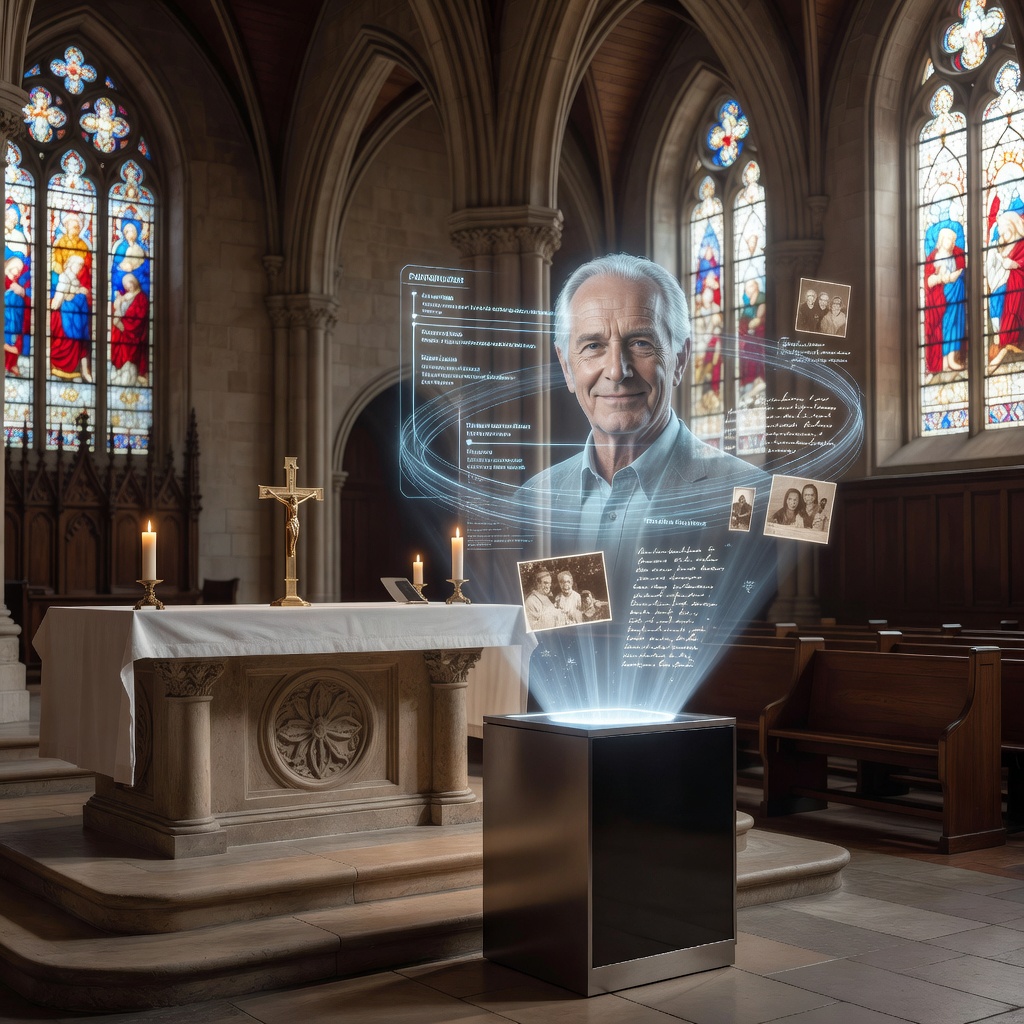
Imagine a grieving family gathered not around a cold stone marker, but before a glowing screen where laughter echoes from uploaded videos, stories unfold in interactive timelines, and a loved one's voice lingers in archived sermons. This isn't science fiction—it's the new reality of digital memorial trends, where churches and funeral homes are pioneering the future of funeral industry practices. As death care evolves, these institutions stand at the forefront, blending timeless rituals with cutting-edge church technology and death care innovation.
For funeral professionals and church leaders, understanding this shift isn't optional—it's essential. Families now expect more than pamphlets and guest books; they crave enduring, accessible tributes that transcend physical limits. Why are sacred spaces and solemn services racing toward pixels and platforms? The answer lies in a profound desire to preserve legacies in ways that resonate with a digital-native world.
The Surge in Digital Memorial Preservation
Traditional memorials—etched granite, faded photos—once sufficed. Today, digital memorial trends are redefining remembrance. Online obituary platforms allow real-time updates, virtual guest books capture global condolences, and QR codes on headstones link to multimedia life stories. Funeral homes report surging demand for these tools, as families seek ways to keep memories alive amid scattered loved ones and busy lives.
This pivot stems from necessity. With millennials and Gen Z inheriting the reins of end-of-life planning, expectations have skyrocketed. They want memorials that are shareable, searchable, and sustainable—free from the decay of paper or stone. Churches, too, are adapting, streaming funerals and hosting perpetual digital prayer walls that honor the departed year-round.
Key Drivers Behind the Shift
- Global connectivity: Families spread across continents need virtual gathering spaces.
- Sustainability concerns: Digital formats reduce physical waste from printed materials.
- Cost efficiency: Scalable online tools lower long-term maintenance burdens.
- Interactivity: Videos, podcasts, and AI-narrated biographies engage younger generations.
Church Technology: Bridging Faith and the Future
Churches have long been custodians of communal memory, from baptismal records to eulogies etched in hearts. Now, church technology is transforming these roles. Live-streamed services reach thousands unable to attend in person, while dedicated memorial apps store sermons, hymns, and testimonies in cloud-based sanctuaries.
Consider a rural parish using augmented reality to overlay a loved one's image during All Souls' Day—pilgrims scan their phones, and stories materialize. Or urban megachurches curating "eternal pews," virtual seats where congregants revisit past services tied to specific memorials. This fusion of spirituality and screens isn't dilution; it's amplification, ensuring faith communities endure beyond brick and mortar.
In an era where absence feels sharper due to distance, digital tools knit the flock tighter, honoring the departed while nurturing the living.
Funeral Homes: Pioneers of Death Care Innovation
Funeral professionals are no strangers to innovation—from embalming techniques to eco-friendly burials. The future of funeral industry pulses with death care innovation: VR walkthroughs of personalized services, blockchain-secured digital wills, and AI chatbots that "speak" as the deceased, drawing from life recordings.
Practical Implementations Transforming Services
- Hybrid Ceremonies: Physical events paired with live digital streams for hybrid attendance.
- Perpetual Platforms: Subscription-based sites hosting evolving memorials with family contributions.
- Data-Driven Personalization: Analytics to suggest music, photos, or rituals based on the deceased's digital footprint.
These advancements position funeral homes as tech-savvy partners, not just service providers, meeting families where they mourn: online.
Empowering Families in a Digital Legacy Landscape
For families, these trends mean agency in grief. No longer passive recipients, they co-create living memorials—uploading grandchildren's tributes years later, ensuring stories evolve. This democratization of death care fosters healing, turning loss into a shared, ongoing narrative.
Yet challenges persist: data privacy, digital divides, and the soulful essence of touch. Thoughtful leaders address these, blending tech with tradition for holistic care.
Charting the Future: A Call to Innovate
As digital memorial trends accelerate, churches and funeral homes that embrace church technology and death care innovation will lead the future of funeral industry. The question isn't if, but how deeply you'll integrate these tools.
Discover how LegacySanctuary simplifies this transition with seamless digital memorial solutions tailored for your congregation or funeral home. Explore our platform today—preserve legacies that last forever.
In the quiet evolution of death care, innovation whispers a promise: memories need never fade.
Build Your Own Legacy
LegacySanctuary helps families and churches preserve the stories that matter most. Start your journey of honoring life and heritage today.